United States: American Modernism (1900-1950)
Exploring major artists and movements that shaped early 20th-century American art.
American Modernism was a period of experimentation and innovation in art, reflecting the rapid social and cultural changes of the early 20th century. Artists explored new styles, urban and rural life, and themes of identity, culture, and modernity.
| Artist | Style | Theme | Meaning | Influence |
|---|---|---|---|---|
| Georgia O'Keeffe | Modernism | Nature | Beauty in simplicity | Shaped American abstract art |
| Edward Hopper | Realism | Isolation | Loneliness in cities | Influenced film and photography |
| Jacob Lawrence | Modernism | Migration | Social change | Documented African American history |
| Grant Wood | Regionalism | Rural life | American identity | Promoted Midwestern culture |
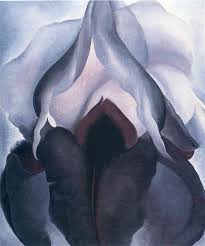
Black Iris III - Georgia O'Keeffe
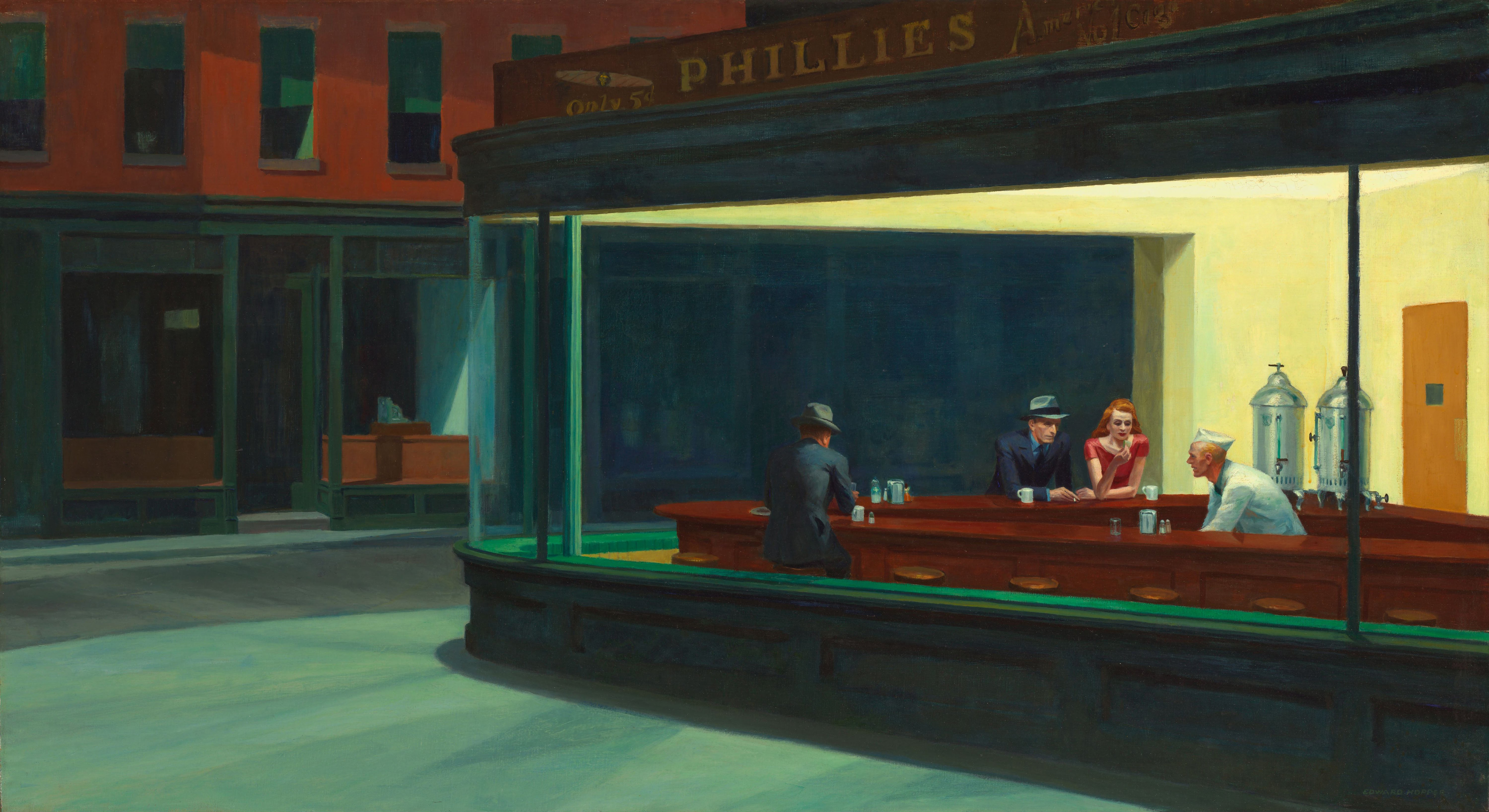
Nighthawks - Edward Hopper
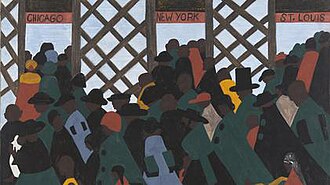
Migration Series - Jacob Lawrence
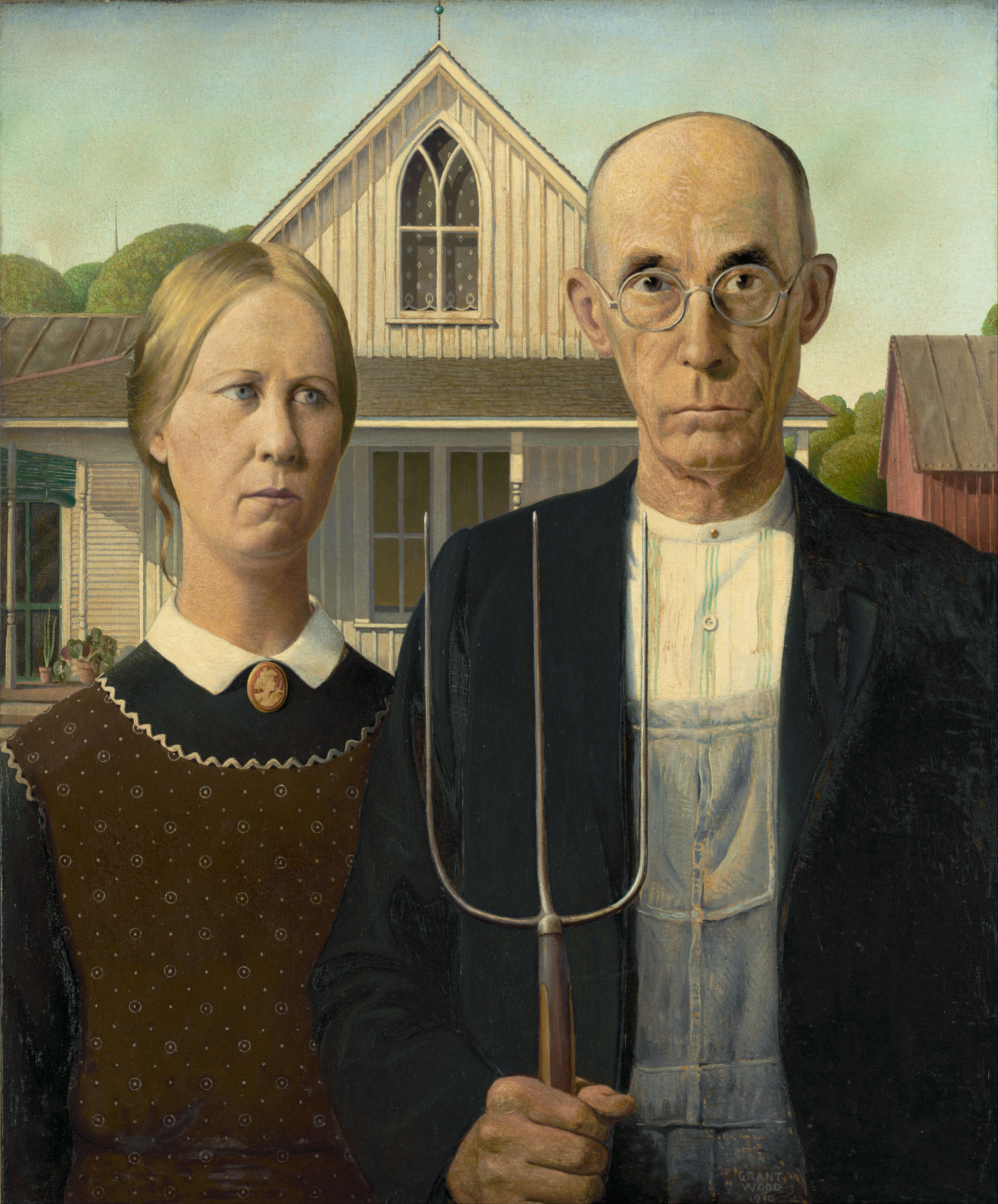
American Gothic - Grant Wood
Why American Modernism Matters
American Modernism marked a shift away from European traditions and allowed artists to develop their own unique styles. It reflected changes in society, including urbanization, cultural identity, and social issues. These artists helped shape the direction of modern art in the United States.